Caregiving
May 17, 2026
How to Help Aging Parents Stay Strong
A practical guide for adult children who want to help a parent keep more good days without pressure, fear, or taking over.
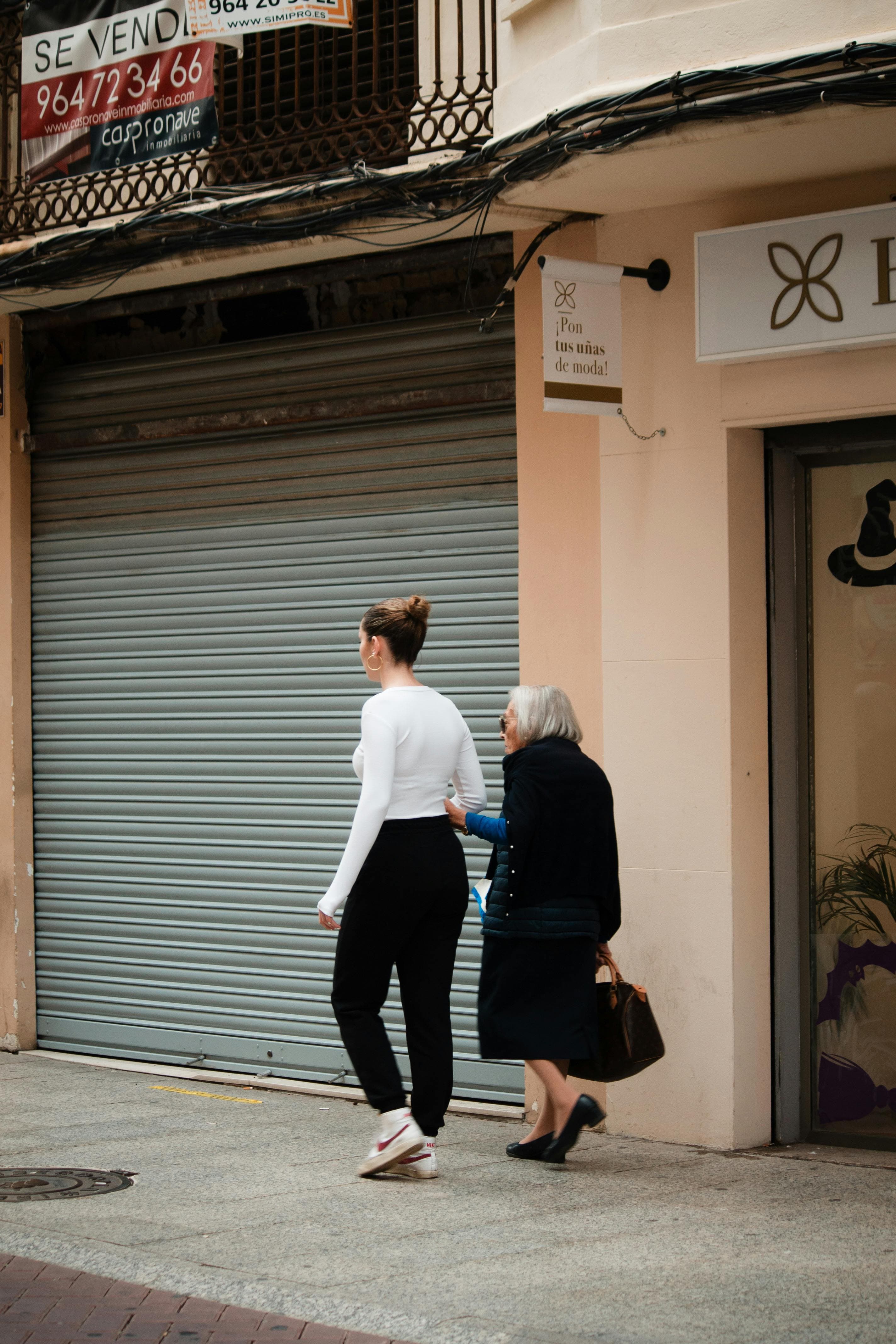
Helping an aging parent stay strong is not a persuasion project. It is a dignity project.
The first signs are usually small. A parent carries less. The stairs take longer. A chair with arms becomes the preferred chair. Errands get bundled because leaving the house now costs more. None of this proves a diagnosis, but it can be a signal that strength, balance, confidence, or recovery has less margin than it used to.
The goal is not to win an argument about aging. The goal is to help a parent keep more of the life they still want.
Start with what they care about
Most parents do not want to be managed. They want to remain themselves. That means the conversation should begin with their values, not your anxiety.
Ask what feels harder lately. Ask what they miss doing. Ask what would make the next trip, holiday, walk, garden project, or visit easier. The real answers are often better than abstract health language.
StrongPath uses the word sarcopenia because it names age-related loss of muscle strength, muscle quantity, and function. But the word is only useful if it leads to something human: standing more easily, climbing stairs with less hesitation, carrying groceries with more confidence, and recovering with more reserve.
If you need the plain-language foundation first, read What Is Sarcopenia?.
Notice patterns, not isolated moments
A hard day is not a trend. A cautious week after illness is not a character flaw. What matters is the pattern.
- standing from a low chair takes more effort
- walking speed has slowed
- stairs are avoided or negotiated
- groceries, laundry, or luggage feel heavier
- balance feels less automatic
- recovery after illness, travel, or a fall takes longer
- confidence outside the house has narrowed
These signs do not diagnose sarcopenia or frailty. They are reasons to pay attention and, when appropriate, involve a physician, physical therapist, or qualified clinician.
Make the first step smaller than your fear
Adult children often want a full plan: gym, trainer, protein, appointments, equipment, schedule. That impulse is understandable. It can also overwhelm the person you are trying to help.
Start with one concrete step that respects autonomy.
That could be asking their clinician about strength and balance. It could be a physical therapy evaluation after a fall or a major change in function. It could be two supervised strength sessions a week. It could be walking plus simple sit-to-stand practice if that is the safe starting point.
The right first step depends on the parent. The principle is steady: make the path visible, specific, and manageable.
Why strength belongs in the conversation
Current sarcopenia consensus places muscle strength close to the center of the problem. Strength is not only an athletic trait. It is what helps with chairs, stairs, grip, balance, and recovery.
The CDC's older-adult activity guidance includes muscle-strengthening activity at least two days a week, along with aerobic activity and balance work. That matters because many families still treat walking as the whole plan. Walking is valuable. It is not the same as training strength.
If your parent has avoided lifting for decades, the first message should not be "you need to lift heavy." A better message is: strength can be trained carefully, and the starting point can be matched to the body in front of us.
Talk about independence, not decline
Fear can make the conversation feel urgent, but fear usually makes a parent feel cornered.
Try language that protects agency:
- "I want it to be easier for you to do the things you already care about."
- "Would it help to ask your doctor whether strength or balance work would be appropriate?"
- "Could we make the first step small enough to try for two weeks?"
- "What would make this feel respectful instead of annoying?"
The tone matters because the relationship matters. You are not trying to make a parent into a project. You are trying to become useful without taking over.
Protein and recovery are part of the picture
Training asks the body to adapt. Food and recovery help make adaptation possible.
Protein needs can be higher in older adults than many people assume, especially when illness, low appetite, weight loss, or training changes the equation. The PROT-AGE group recommended higher daily protein intake for healthy older adults than the standard adult RDA, with individualized medical judgment for people with kidney disease or other conditions.
That does not mean every parent needs a supplement. It means low appetite, skipped meals, unexplained weight loss, and low protein intake deserve attention.
For the dedicated StrongPath guide, read How Much Protein Do Older Adults Need?.
When to involve a clinician
Do not turn every strength conversation into a medical emergency. Do involve qualified care when the risk is real.
Ask for medical or physical therapy guidance if your parent has had a recent fall, surgery, hospitalization, chest pain, dizziness, unexplained weight loss, significant balance problems, rapidly changing function, or a condition that affects safe exercise.
A good clinician can help identify the starting level, screen for risks, and make the plan safer.
A practical path
The most useful family plan is usually simple:
- name the functional problem without shame
- ask what the parent wants to keep doing
- choose one safe first step
- make strength and balance visible in the weekly routine
- support protein, sleep, and recovery
- check whether confidence and daily function improve
This is not about forcing a parent into a new identity. It is about helping them keep more of the days they value.
This article is educational and is not medical advice. If your parent has a medical condition, recent fall, recent surgery, unexplained weight loss, chest pain, dizziness, significant balance problems, or a major change in function, work with a physician, physical therapist, or other qualified clinician before beginning a new exercise or nutrition plan.
Evidence
Sources reviewed
Age and Ageing, 2019
CDC, 2025
Journal of the American Medical Directors Association, 2013
CDC, 2025
Curated next reads
Keep going from here
01
Muscle Loss
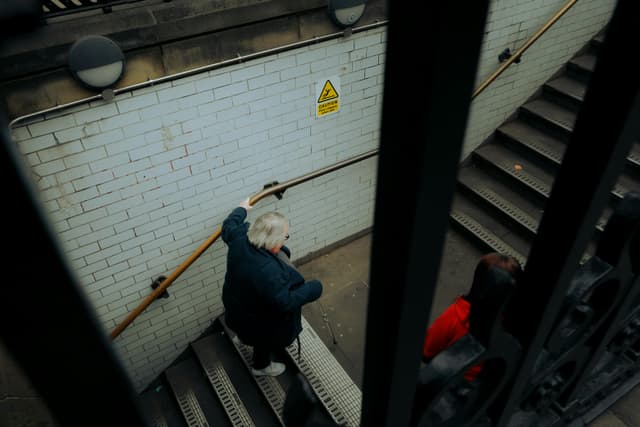
What Is Sarcopenia?
Sarcopenia is the age-related muscle loss that can make chairs, stairs, jars, luggage, and recovery feel different.
02
Strength Training
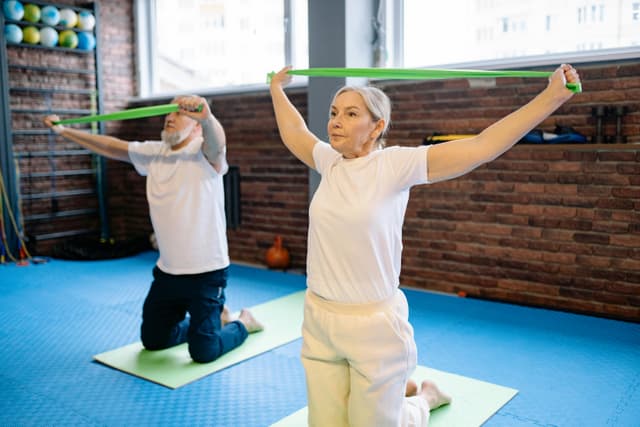
Resistance Training for Older Adults
Resistance training helps train the strength behind chairs, stairs, balance, carrying, travel, and recovery.
03
Nutrition
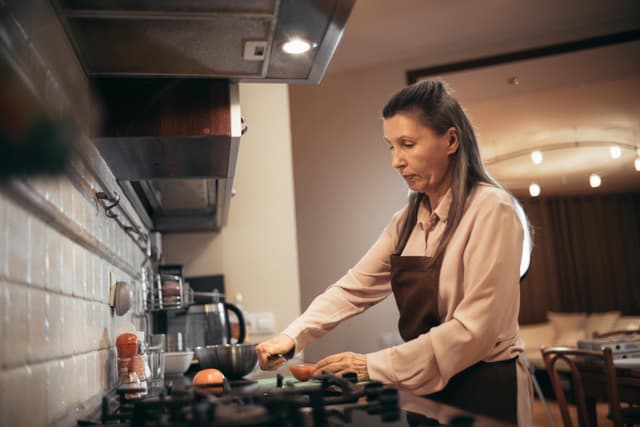
How Much Protein Do Older Adults Need?
Protein is not a magic fix. It is one of the basic inputs older bodies need for muscle, especially alongside resistance training.
04
Strength Training
How to Start Lifting Weights at 60
Starting strength training at 60 is not about becoming someone else. It is about making the first month safe, repeatable, and useful.