Nutrition
May 17, 2026
How Much Protein Do Older Adults Need?
Protein is not a magic fix. It is one of the basic inputs older bodies need for muscle, especially alongside resistance training.
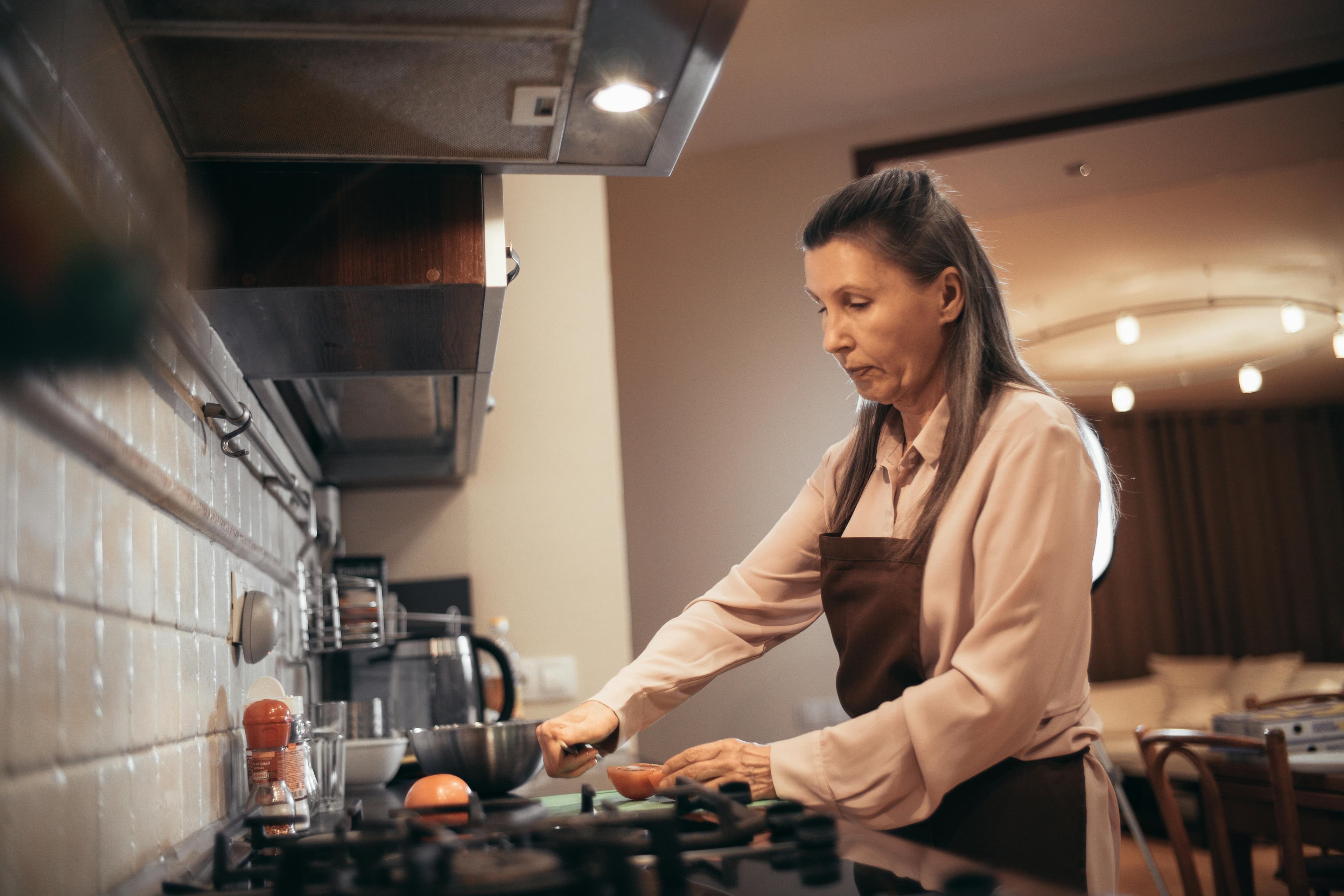
Protein is easy to overmarket and easy to underestimate.
For older adults, the useful middle is this: protein is not a magic fix for aging, but it is one of the basic inputs the body needs to maintain and rebuild muscle. It matters more when appetite falls, weight changes, illness interrupts normal eating, or resistance training becomes part of the plan.
StrongPath treats protein as part of the strength system, not as a standalone promise.
Why protein matters
Muscle is constantly being broken down and rebuilt. Protein supplies amino acids the body uses in that process.
As adults age, several things can make muscle maintenance harder: lower appetite, lower total food intake, chronic disease, inactivity, medication effects, illness, and a quieter reduction in physical demand. Resistance training asks muscle to adapt. Adequate protein helps support that adaptation.
The point is not to chase a trend. It is to avoid building a strength plan while ignoring the material the body needs to respond.
What expert groups recommend
The standard adult Recommended Dietary Allowance for protein is 0.8 grams per kilogram of body weight per day. Some expert groups have argued that many older adults may need more than that.
The PROT-AGE study group recommended that healthy older adults consume an average daily intake in the range of 1.0 to 1.2 grams per kilogram of body weight per day, with higher intakes sometimes considered for older adults who are active, exercising, or dealing with acute or chronic disease. They also emphasized individualization and medical judgment.
ESPEN's geriatric nutrition guideline similarly supports protein intake above the standard adult RDA for many older adults, while recognizing clinical context.
These are not personal prescriptions. They are evidence-informed ranges to discuss with a clinician, dietitian, or qualified professional when medical conditions are present.
What that means in plain English
For a 150-pound adult, 1.0 to 1.2 grams per kilogram per day is roughly 68 to 82 grams of protein per day. For a 180-pound adult, it is roughly 82 to 98 grams per day.
Those numbers are not a command. They are a reference point. The right target depends on body size, kidney function, medical history, appetite, training, weight change, and clinician guidance.
The biggest issue is often not precision. It is whether protein is showing up reliably at meals.
Spread it across the day
Many older adults eat lightly early in the day and rely on a larger dinner. That pattern may leave protein too low or too concentrated.
A simple first improvement is to include a meaningful protein source at breakfast, lunch, and dinner. Examples can include eggs, yogurt, cottage cheese, fish, poultry, lean meat, tofu, beans, lentils, milk, soy milk, or other options that fit the person's preferences, budget, and medical context.
Supplements can be useful for some people, especially when appetite is low or meals are hard to prepare. They are not automatically necessary.
Protein works best with training
Protein without resistance training is incomplete. Resistance training without adequate protein is also incomplete.
The body needs both signal and substrate: the training signal that says "adapt," and the nutritional support to help adaptation happen. That is why StrongPath keeps linking nutrition to movement rather than treating either one as the whole answer.
For the training guide, read Resistance Training for Older Adults.
When to be cautious
Older adults with kidney disease, liver disease, significant chronic illness, active cancer treatment, complex medication regimens, recent hospitalization, unexplained weight loss, swallowing problems, or major appetite changes should not treat a general article as a nutrition prescription.
In those cases, the right next step is medical or dietitian guidance. Protein can be important, but the plan should fit the person.
Helping a parent eat enough
If you are helping an aging parent, avoid turning every meal into surveillance. Start with the least invasive question: what foods still sound good and are easy enough to prepare?
Small changes can help: a higher-protein breakfast, ready-to-eat options, smaller but more frequent meals, or pairing protein with foods the parent already likes. The best plan is the one that respects dignity and actually happens.
For the family conversation, read How to Help Aging Parents Stay Strong.
The StrongPath position
Protein is not magic. It will not replace strength training. It will not override illness, sleep, medication issues, or medical care.
But low protein intake can make a strength plan harder to benefit from. For many older adults, improving protein quality, distribution, and consistency is one practical piece of supporting muscle and function.
Medical note
This article is educational and is not medical advice. If you have kidney disease, liver disease, diabetes, heart failure, cancer, unexplained weight loss, swallowing difficulty, a recent hospitalization, or any major medical condition, work with a physician, registered dietitian, or other qualified clinician before changing protein intake.
Evidence
Sources reviewed
Journal of the American Medical Directors Association, 2013
Clinical Nutrition, 2019
Nutrition.gov, 2025
CDC, 2025
Curated next reads
Keep going from here
01

Muscle Loss
What Is Sarcopenia?
Sarcopenia is the age-related muscle loss that can make chairs, stairs, jars, luggage, and recovery feel different.
02

Caregiving
How to Help Aging Parents Stay Strong
A practical guide for adult children who want to help a parent keep more good days without pressure, fear, or taking over.
03

Strength Training
Resistance Training for Older Adults
Resistance training helps train the strength behind chairs, stairs, balance, carrying, travel, and recovery.
04

Strength Training
How to Start Lifting Weights at 60
Starting strength training at 60 is not about becoming someone else. It is about making the first month safe, repeatable, and useful.