Strength Training
May 17, 2026
How to Start Lifting Weights at 60
Starting strength training at 60 is not about becoming someone else. It is about making the first month safe, repeatable, and useful.
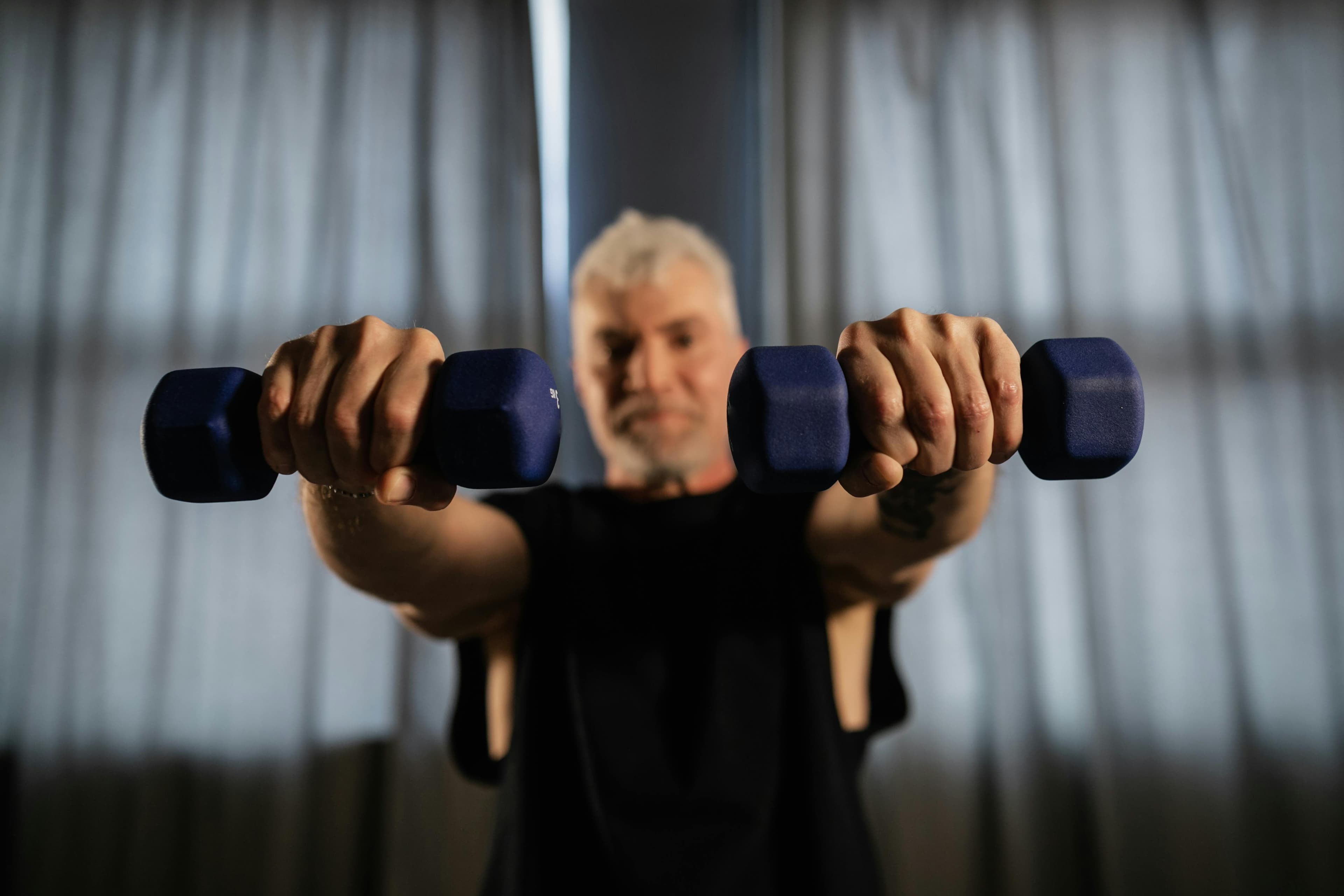
Starting to lift weights at 60 is not a personality change. It is a practical decision about the life you want to keep living.
You do not need to become a gym person. You do not need to chase youth. You do not need to punish your body for getting older. You need a safe first step, a few useful movements, enough consistency to learn, and a plan that can progress without rushing.
The goal is usable strength: chairs, stairs, bags, balance, travel, and recovery.
First, define the starting point
The right beginning depends on the body in front of you.
If you have chest pain, dizziness, unexplained weight loss, a recent fall, recent surgery, significant balance problems, a new diagnosis, or a major change in function, start with medical or physical therapy guidance.
If you are generally stable but inexperienced, you can still benefit from qualified coaching or a supervised beginner program. Good instruction early can make the work calmer and safer.
Start with movement patterns, not random exercises
A good beginner plan usually includes a few patterns:
- sit-to-stand or squat pattern
- hinge pattern for hips and back
- push pattern
- pull pattern
- carry or grip pattern
- balance or controlled stepping pattern
The version should fit your ability. A squat might begin as standing from a chair. A push might begin at a wall. A carry might begin with a light grocery bag. The movement should be controlled, repeatable, and challenging enough to matter.
Twice a week is a serious start
Many adults can begin with two full-body sessions per week. That is enough to practice consistently, create a training signal, and leave room for recovery.
A first month does not need to be elaborate. It needs to be repeatable. Learn the movements. Stop before form breaks down. Track what you did. Add difficulty gradually when the work becomes clearly easier.
The CDC's older-adult activity guidance includes muscle-strengthening activity at least two days a week. That is a useful public-health floor, not a complicated performance target.
Choose weights that teach, not intimidate
The right weight lets you complete the movement with control while still feeling like the final few repetitions require attention.
Too light forever may not create enough stimulus. Too heavy too soon can teach poor movement or create avoidable setbacks. The art is finding the middle: enough challenge to adapt, enough control to repeat.
Progress can be small. Add one repetition. Use a slightly heavier dumbbell. Slow the lowering phase. Increase range of motion. Improve consistency. These changes count.
Expect soreness, but respect warning signs
Some muscle soreness can happen when training is new. Sharp pain, chest pain, dizziness, unusual shortness of breath, joint pain that worsens, or symptoms that do not settle are different. Stop and get appropriate guidance.
Training should build trust in your body over time. It should not create dread.
Protein, sleep, and recovery matter
Lifting is the signal. Recovery is where adaptation happens.
That means sleep, food, rest days, and adequate protein all matter. Older adults may need more attention to protein than they did earlier in life, especially when appetite is lower or training begins.
For the nutrition foundation, read How Much Protein Do Older Adults Need?.
A simple first-month frame
A practical first month might look like this:
- two full-body strength sessions each week
- five to seven movements per session
- one to three sets per movement
- comfortable walking or other aerobic activity as appropriate
- balance practice if needed
- no dramatic jumps in load
- one written note after each session
The written note can be simple: exercises, weight or variation, repetitions, and how it felt. Tracking removes guesswork and keeps progress grounded.
What success feels like
Success may not feel dramatic. It may feel like the same stairs with less negotiation. A bag carried with more confidence. A chair that no longer needs both hands. A trip that feels less physically expensive.
Those are not small wins. They are the point.
The StrongPath position
It is not too late by default. It is also not smart to pretend every 60-year-old should start the same way.
The right path is specific: screen for risk, start at the right level, train the major patterns, recover, and progress. That is how lifting becomes a tool for ordinary life instead of an identity you have to perform.
This article is educational and is not medical advice. If you have a medical condition, recent fall, recent surgery, unexplained weight loss, chest pain, dizziness, significant balance problems, or a major change in function, work with a physician, physical therapist, or other qualified clinician before beginning a new exercise plan.
Evidence
Sources reviewed
CDC, 2025
Medicine & Science in Sports & Exercise, 2011
Age and Ageing, 2019
European Review of Aging and Physical Activity, 2023
Curated next reads
Keep going from here
01

Muscle Loss
What Is Sarcopenia?
Sarcopenia is the age-related muscle loss that can make chairs, stairs, jars, luggage, and recovery feel different.
02

Caregiving
How to Help Aging Parents Stay Strong
A practical guide for adult children who want to help a parent keep more good days without pressure, fear, or taking over.
03
Strength Training
Resistance Training for Older Adults
Resistance training helps train the strength behind chairs, stairs, balance, carrying, travel, and recovery.
04

Nutrition
How Much Protein Do Older Adults Need?
Protein is not a magic fix. It is one of the basic inputs older bodies need for muscle, especially alongside resistance training.